
Recharge D Batteries
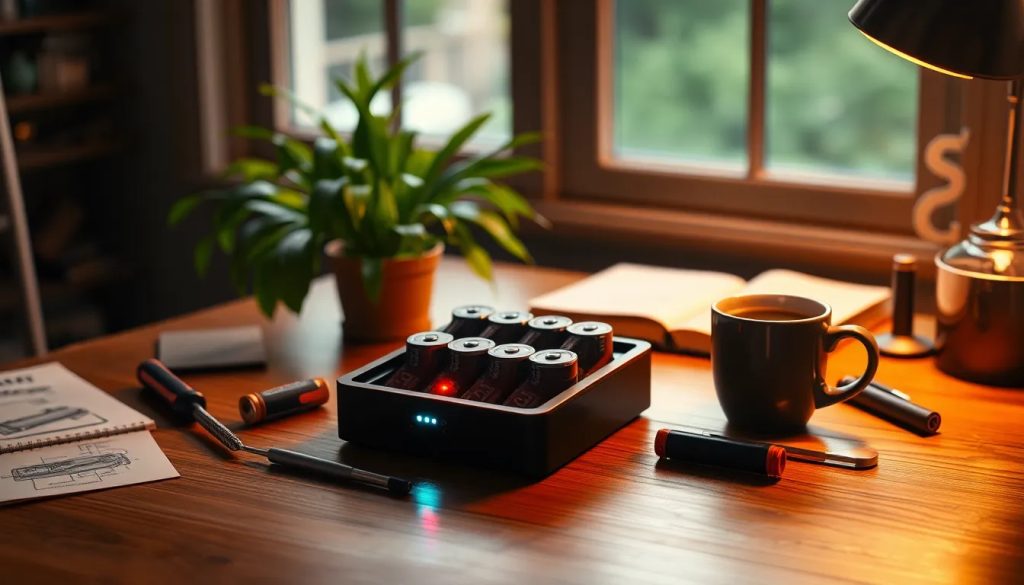
When it comes to powering devices, rechargeable D batteries are a smart choice for both economic and environmental reasons. These batteries are designed to provide a reliable source of power for a variety of electronic devices, from flashlights to radio-controlled cars. Understanding the ins and outs of these power sources can save you time and money.
As the demand for sustainable power solutions grows, so does the importance of using rechargeable batteries. Recharge D batteries are not just an eco-friendly option; they are also cost-effective. With the ability to recharge and reuse, these batteries offer users both convenience and a reduced environmental footprint.
- What are recharge d batteries?
- What types of recharge d batteries are available?
- How to choose the best recharge d batteries for your devices?
- Where to find recharge d batteries with charger?
- What are the best rechargeable d batteries on the market?
- What are the benefits of lithium d batteries?
- How do energizer rechargeable d batteries compare?
What are recharge d batteries?
Rechargeable D batteries are a type of power cell that can be charged and used multiple times. They come in several chemistries, including Nickel-Metal Hydride (NiMH) and Lithium-ion (Li-ion), each with unique benefits and applications. Unlike disposable batteries, rechargeable D batteries offer a longer lifecycle, often exceeding 1,000 charge cycles.
These batteries are ideal for high-drain devices due to their ability to deliver a steady current. They are commonly used in emergency lights, power tools, and medical devices, where reliable power is essential. Recharge D batteries are also an environmentally friendly option, as they reduce the need for frequent battery replacements and minimize waste.
With advancements in technology, the capacity of rechargeable D batteries has increased, making them suitable for a wider range of applications. They also feature a relatively low self-discharge rate, ensuring they hold their charge when not in use.
What types of recharge d batteries are available?
Consumers can choose between two main types of recharge D batteries: NiMH and Li-ion. NiMH batteries are known for their high capacity and environmental friendliness, making them suitable for devices that require consistent performance over time. They are favored for use in medical equipment and other high-drain devices.
On the other hand, Li-ion batteries offer a higher energy density and are lighter, which is a significant advantage for portable applications. They are ideal for devices that need a compact power source with a long lifespan, such as security systems and portable electronics.
When selecting a rechargeable D battery, it is important to consider the specific needs of your device. Both types have their pros and cons, and choosing the right one can significantly impact the performance and longevity of your electronic devices.
How to choose the best recharge d batteries for your devices?
Choosing the right rechargeable D battery requires careful consideration of several factors. First, identify the device's power requirements and whether it's a high-drain application. High-capacity NiMH batteries are often preferred for their ability to handle such demands. For gadgets that need a lighter battery with a longer life, Li-ion could be the better option.
Another consideration is the compatibility with existing chargers. Ensure that the batteries you select can be safely charged with the equipment you have. Additionally, think about the long-term usage and whether the initial higher cost of rechargeable batteries is justified by the savings in replacements and disposal fees.
Lastly, factor in the environmental impact of your choice. Rechargeable batteries, particularly those with eco-friendly options, contribute to sustainability initiatives and reduce the carbon footprint of your devices.
Where to find recharge d batteries with charger?
Finding rechargeable D batteries with a compatible charger is quite straightforward. They are available at most electronics stores, online retailers, and specialty battery shops. When purchasing, it's crucial to buy a charger that matches the battery chemistry, as using an incompatible charger can damage the batteries or reduce their lifespan.
Look for packages that include both the batteries and the charger for convenience. Some chargers also offer smart features, like individual charging status indicators and automatic shut-off to prevent overcharging.
While shopping, consider the charger's speed and whether it meets your needs – some may prefer a slower charge to extend battery life, while others might need a faster charging time for frequent use.
What are the best rechargeable d batteries on the market?
The "best" rechargeable D batteries are subjective and depend on the specific needs of the user. However, some general guidelines can help identify high-quality batteries. Look for batteries with a high capacity, indicated in milliampere-hours (mAh), as they store more energy and provide longer usage between charges.
Batteries that offer a high number of recharge cycles before losing capacity are also desirable. This means they will last longer and provide more value over time. Reviews and ratings from other users can also be helpful when determining which batteries are performing well in real-world conditions.
What are the benefits of lithium d batteries?
Lithium D batteries come with several advantages. Their high energy density means they can hold more power while being lighter than other types of rechargeable batteries. This makes them ideal for portable devices that benefit from a lighter power source.
They also have a lower self-discharge rate, so they retain their charge for longer when not in use. Moreover, Li-ion batteries tend to have a longer lifespan, with the ability to handle many more charge and discharge cycles before their capacity starts to degrade.
This type of battery is also less prone to memory effect, a condition that can reduce the effective capacity of some rechargeable batteries when they are frequently charged after being only partially discharged. Li-ion batteries can typically be charged at any time, regardless of their current charge level, without impacting their overall lifespan.
How do energizer rechargeable d batteries compare?
Energizer, as one of the well-known battery brands, offers rechargeable D batteries that are widely used and trusted. Their NiMH batteries are designed to provide a long-lasting charge for devices like digital cameras, flashlights, and portable audio players.
Although we're not focusing on brand comparisons, it's worth noting that Energizer rechargeable D batteries are generally recognized for their reliability and consistent performance. They can be a good option for users looking for batteries from a reputable manufacturer with a track record of quality.
When comparing different brands, consider the battery's capacity, the number of recharge cycles it supports, and any additional features offered, such as built-in overcharge protection. These factors will contribute to the overall value and suitability of the battery for your needs.
Rechargeable D batteries are pivotal in powering a range of devices while offering sustainability and cost savings. From the high capacity of NiMH batteries to the energy density of Li-ion types, there is a rechargeable battery out there to meet the specific needs of any device. As technology advances, the efficiency and environmental benefits of these batteries are set to improve even further, making them an even more attractive choice for powering our electronic world.
Recommended: