
Parrot Drone Batteries
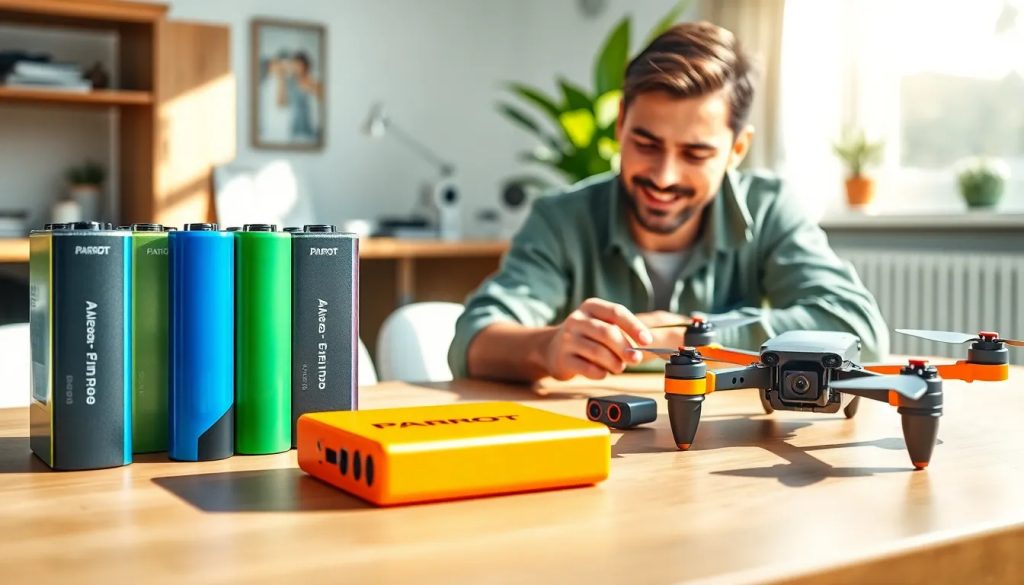
Parrot drones have become a popular choice for those looking to explore the skies with a remote-controlled companion. The key to keeping these high-flying devices airborne lies in the health and maintenance of their batteries. Understanding Parrot drone batteries is crucial for maximizing flight time and ensuring safety during use.
- How to handle Parrot drone batteries?
- Where to buy replacement Parrot drone batteries?
- How to charge your Parrot drone battery?
- What are the best practices for storing Parrot drone batteries?
- How long do Parrot drone batteries last?
- What are the risks of using aftermarket Parrot drone batteries?
- How to maintain your Parrot drone battery for longevity?
How to handle Parrot drone batteries?
Handling Parrot drone batteries requires care and attention to detail. These batteries are typically Lithium Polymer (LiPo), which are known for their high energy density but also require careful handling. It's important to avoid extreme temperatures and to store the batteries at around 20°C in a dry, ventilated area. Charging should only be done within the temperature range of +10°C to +45°C. Moreover, you should never leave the battery unattended while it's charging and always adhere to the manufacturer's safety protocols.
The Parrot ANAFI drone's smart LiPo battery, for example, includes a wintering mode that automatically discharges the battery to 65% after 10 days of inactivity, reducing the risk of damage during prolonged storage. Reactivation of these batteries requires a full charge cycle.
Battery compatibility is another aspect that requires attention. Using only genuine parts ensures that the battery fits perfectly and functions as expected, avoiding any potential risks associated with third-party alternatives.
Where to buy replacement Parrot drone batteries?
Finding a replacement for your Parrot drone battery should be approached with caution. The safest bet is to purchase from official retailers or trusted online platforms such as Amazon or eBay. While official sellers offer the guarantee of genuine parts, established online marketplaces often provide customer reviews that can help you ascertain the reliability of the batteries being sold.
Be wary of deals that seem too good to be true, as they might be offering aftermarket batteries that can compromise the performance and safety of your drone.
How to charge your Parrot drone battery?
Charging a Parrot drone battery is straightforward, but it requires following certain protocols. Always use the charger that comes with your drone or one that the manufacturer recommends. Connect the battery to the charger and plug it into a power source, monitoring the process to ensure that it proceeds smoothly. Charging outside the recommended temperature range can result in reduced flight time or damage to the battery.
Remember that some high-capacity batteries, like the Bebop Power batteries, may require specialized high-voltage chargers. Using a standard charger with these batteries could lead to safety hazards such as smoke or even fire.
What are the best practices for storing Parrot drone batteries?
Storing your Parrot drone batteries correctly is crucial for maintaining their longevity. Here are some tips to ensure that they last as long as possible:
- Store batteries in a cool, dry place at around 20°C.
- Keep batteries at a storage charge level of 65% if they won't be used for an extended period.
- Protect batteries from physical damage and avoid storing them with metal objects that could cause a short circuit.
- Utilize any storage modes your battery might have, such as the wintering mode found in some Parrot batteries.
How long do Parrot drone batteries last?
The lifespan of Parrot drone batteries can vary based on several factors, including how they're used and maintained. On average, these batteries offer around 20-25 minutes of flight time under optimal conditions. However, as batteries age, their capacity to hold a charge diminishes, and flight times can decrease.
It's also essential to note that flight modes can affect battery life. For instance, a drone set to film mode may last longer in the air compared to one in a more performance-intensive setting.
What are the risks of using aftermarket Parrot drone batteries?
Aftermarket batteries may be tempting due to their lower price or promises of extended flight times, but they come with significant risks. These include the potential for crashes, disconnections, and even damage to the drone itself. There's also the danger of fire if the battery is not properly designed or manufactured to meet the specific requirements of your drone. It's always recommended to use genuine Parrot drone batteries to ensure safety and reliability.
How to maintain your Parrot drone battery for longevity?
Maintaining your Parrot drone battery involves several key practices:
- Always use the official charger designed for your specific battery model.
- Avoid complete discharges and instead aim to keep the charge level between 20% and 80% for regular use.
- Perform regular firmware updates for your drone and batteries, as these can optimize battery performance.
- Inspect your batteries regularly for any signs of damage, such as swelling or dents.
- Follow the recommended storage protocols to prolong the battery's useful life.
In conclusion, proper handling, charging, and storage of Parrot drone batteries are essential for enjoying prolonged and safe flight experiences. By adhering to best practices and using genuine parts, drone enthusiasts can ensure that their airborne adventures continue seamlessly, flight after flight.
Recommended: