
Organizing Batteries
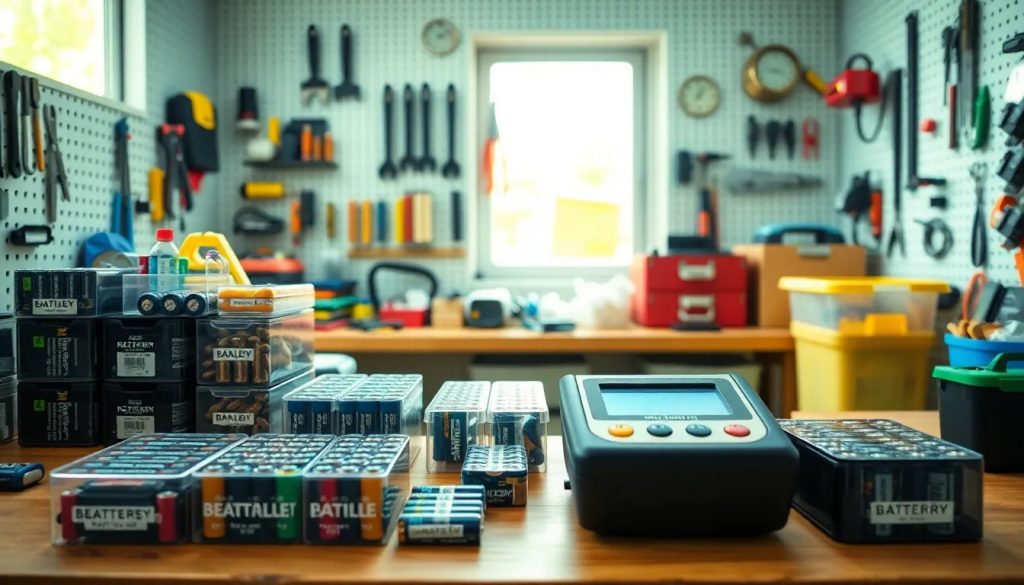
Managing the various batteries in our homes can sometimes feel like an overwhelming task, especially when they start to accumulate in drawers and containers. However, with a few simple strategies, organizing batteries can be straightforward, ensuring they are easily accessible and safely stored.
From small AAA batteries to larger D-cell types, every battery has its place. It's all about finding the right system to contain them, which not only makes your life easier but also contributes to household safety and environmental responsibility. Let's explore some of the best practices for organizing batteries in your home.
How to store batteries conveniently?
Convenience is key when it comes to storing batteries. You'll want to keep them somewhere accessible, yet out of the way to avoid clutter. Start by gathering all batteries from around the house into one location. This allows you to take stock of what you have and what you might need.
Next, consider using a dedicated container with compartments for different battery sizes. Labeling each section can further streamline the process, making it easy to find exactly what you need when you need it. Place the container in a location that's easily reachable but safe, such as a high shelf in a utility closet, away from the reach of children and pets.
An important aspect of convenience is ensuring that your batteries are ready to use. Check for any damaged or leaking batteries and dispose of them properly. By doing so, you'll not only keep your storage safe but also prevent potential accidents or damage to your devices.
How to store batteries in the best location?
The best location for storing batteries is a cool, dry place, away from direct sunlight and heat sources. Extreme temperatures can lead to decreased battery life and even cause them to leak or rupture. A climate-controlled space like a drawer in your living room or an indoor cabinet is ideal.
It's also essential to keep batteries away from metal objects that could potentially cause a short circuit. For button batteries, especially, it's crucial to store them in a way that prevents them from coming into contact with other metals, which could be as simple as keeping them in their original packaging or a small plastic bag.
Remember that environmental factors can greatly affect the longevity and safety of your batteries. By choosing the right location, you will extend their usefulness and safeguard your home.
How to store batteries in an organizer?
- Choose a battery organizer that fits your needs, which might include features like tester slots or clear lids for easy identification.
- Sort your batteries by type and size, then place them in the corresponding slots in your organizer.
- For rechargeable batteries, keep them near their chargers for easy rotation between uses.
- Consider a wall-mounted organizer to save space and keep batteries out of reach of children.
- Regularly check the organizer to ensure the batteries are in good condition and discard any that are no longer functional.
An organizer not only keeps your batteries neatly arranged but also protects them from the elements and accidental activation. Whether you opt for a simple plastic container or a specialized organizer, the key is to maintain order and safety.
How to safely dispose of batteries?
When batteries reach the end of their life, it's important to dispose of them responsibly. Some batteries contain harmful chemicals that can be detrimental to the environment if not handled correctly. Look for local battery recycling programs, like those offered by Earth911 or Call2Recycle, which ensure batteries are processed safely.
In some areas, certain types of batteries can be disposed of with regular trash, but it's always best to check with your local waste management services. For rechargeable batteries and other specific types, such as lithium or button cells, special care must be taken. These often require being taken to a designated drop-off location.
Proper battery disposal not only contributes to environmental protection but also helps prevent potential hazards such as fires or pollution. Make it a habit to regularly gather your spent batteries and take them to a recycling facility.
What are the benefits of using a battery organizer?
Using a battery organizer comes with several advantages. It streamulates finding the right battery quickly, reduces clutter, and helps maintain a tidier living space. But perhaps the most significant benefit is safety. By keeping batteries separated and secure, you reduce the risk of short-circuiting, which can lead to fires or injuries.
Another advantage is the preservation of your batteries' lifespan. When stored correctly, without exposure to adverse conditions, batteries can maintain their charge and efficacy for longer periods. An organizer can also serve as a visual reminder to check expiration dates and prevent the accidental mixing of new and old batteries.
Finally, a battery organizer can contribute to environmental sustainability by facilitating the proper disposal of batteries. When it's clear which batteries are spent, it's easier to collect and recycle them appropriately.
Where to find DIY battery storage ideas?
For those who love crafting and personalization, DIY storage solutions can be both fun and functional. A quick online search will reveal countless ideas, from repurposing household items to building custom storage units. Some popular options include:
- Using a plastic tackle box or toolbox with adjustable compartments.
- Mounting a clear hanging jewelry organizer on the inside of a cabinet door.
- Creating a battery dispenser from PVC pipes for an easy grab-and-go solution.
- Implementing magnetic strips on the inside of a cabinet door to hold button batteries securely in place.
- Designing a custom drawer insert with foam cutouts for each battery size.
DIY storage solutions not only cater to your specific needs but also allow for creative expression in your home organization. They can be a cost-effective way to keep your batteries organized and accessible while adding a personal touch to your space.
As we've explored various aspects of battery organization, remember that the goal is to maintain order and safety in your home. By implementing these strategies, you'll ensure that batteries are stored efficiently, conveniently, and responsibly, contributing to the well-being of your household and the environment alike.
Recommended: