
Lr43 Batteries
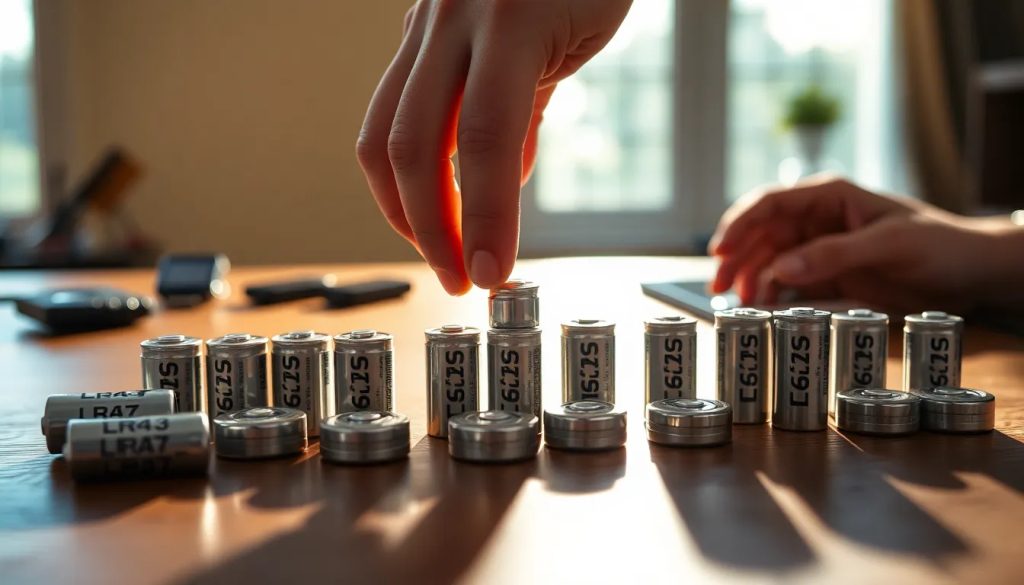
The LR43 battery is a small, powerful source of energy commonly found in our everyday gadgets. This alkaline button cell stands out for its 1.5 volts of power, compact size, and durability, making it a reliable choice for those miniature devices that aid our daily routines.
Understanding the intricacies of these batteries, such as their size, voltage, and compatibility, is essential. With technology rapidly advancing, the demand for high-capacity miniature batteries is ever-increasing. The LR43 battery is a staple in this evolution, powering a variety of small electronic devices efficiently.
Understanding LR43 Batteries
LR43 batteries are alkaline button cells, known for their small size and high energy output. These batteries have a nominal voltage of 1.5V and are commonly used in low-drain devices where consistent power is needed over an extended period. Their chemical composition allows for a stable performance across a wide temperature range.
Their capacity, typically around 100mAh, ensures that devices such as watches, calculators, and medical instruments remain operational without frequent battery replacements. This makes the LR43 not just convenient but also cost-effective for consumers and manufacturers alike.
Mercury-free and environmentally friendly, LR43 batteries reflect the industry's shift towards sustainable power solutions. Manufactured by various brands, these batteries are easily accessible and widely acclaimed for their reliability.
What Battery Equals LR44?
The LR44 battery is often confused with the LR43 due to their similar size and voltage. However, the LR44 is typically a silver oxide battery, which offers different characteristics in terms of longevity and voltage stability. While both batteries provide 1.5V, the LR44 may have a slightly higher capacity and a longer lifespan, especially in devices with a constant drain.
For those looking to replace an LR44 battery, it is crucial to check device specifications, as the LR43 can sometimes serve as an equivalent. However, the LR44's silver oxide chemistry usually makes it the preferred choice for more demanding applications.
What Are LR41 Batteries?
LR41 batteries are another member of the alkaline button cell family, albeit with a smaller size and capacity compared to the LR43. These batteries are typically used in devices that require even less power, such as hearing aids, thermometers, and small flashlights.
Due to their diminutive stature, LR41 batteries usually have a lower capacity around 25-32mAh. It's important to note that despite their lower capacity, these batteries are engineered for devices that demand minimal power consumption.
LR43 vs LR44 vs LR41 Features
Comparing LR43, LR44, and LR41 batteries involves examining their size, voltage, and capacity. The LR43 and LR44 are similar in size but can differ in chemistry, affecting performance. The LR41 is the smallest and has the least capacity, making it suitable for even smaller devices.
Given their similar voltages, the primary differentiation lies in the capacity and size, which directly impacts the longevity and suitability for various applications. Choosing the correct battery is crucial for ensuring optimal device function and avoiding potential damage.
LR43, LR44, and LR41: Applications
- Watches and small electronic timers benefit from the compact size and consistent voltage of LR43 batteries.
- Medical devices, like glucometers and digital thermometers, rely on the LR43's steadiness and longevity.
- Children's toys and laser pointers often use LR44 batteries due to their higher capacity and durability.
- Hearing aids and miniature flashlights are perfect applications for the smaller LR41 batteries, as they require less power.
LR43 vs LR44 vs LR41: Alternatives
Finding alternatives for these batteries can be straightforward if one knows the cross references. The LR43 can be replaced by AG12 or SR43 batteries, while the LR44 has equivalents like the SR44 or 357 batteries. For the LR41, look for AG3 or 392 as substitutes.
It's essential to ensure that the alternative chosen matches the device's requirements in terms of size and capacity. Using an incompatible battery can lead to insufficient power delivery or physical misfit, rendering the device non-functional.
Where To Buy LR43 Batteries?
LR43 batteries are readily available at various outlets. You can find them at electronics stores, supermarkets, and even some drugstores. Retailers such as Walmart typically stock a range of button cell batteries, including the LR43.
For those who prefer online shopping, numerous e-commerce platforms offer these batteries, often at competitive prices and with the convenience of home delivery. When purchasing batteries, it's advisable to buy from reputable sellers to ensure authenticity and optimal performance.
In summary, LR43 batteries and their counterparts LR44 and LR41 serve as integral components within a broad spectrum of devices. Their selection requires a basic understanding of their features, alternatives, and applications. For users, recognizing these batteries' role in the longevity and functionality of their devices is paramount.
Recommended: