
Deep Cycle Marine Batteries
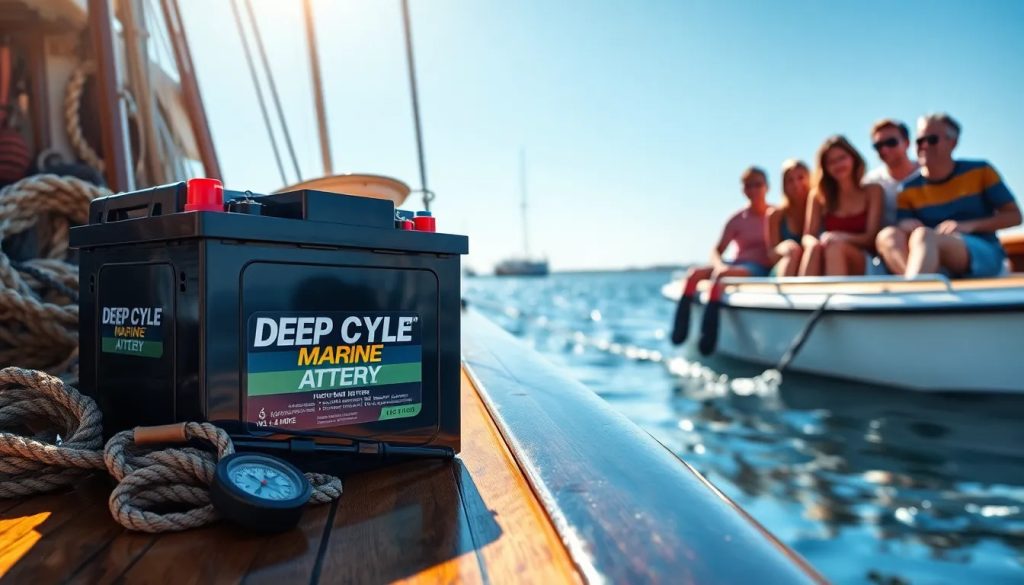
Deep Cycle Marine Batteries: Your Ultimate Guide to Reliable Power
When it comes to boating, whether for leisure or work, having a reliable power source is non-negotiable. Deep cycle marine batteries are at the heart of marine electrical systems, providing the necessary power for everything from starting the boat's motor to running onboard electronics. Understanding the nuances of these batteries is crucial for any boat owner or marine enthusiast.
Marine batteries are not just another battery; they are designed to withstand the harsh marine environment and provide dependable power over extended periods. This guide will delve into the details, helping you make an informed decision for your maritime power needs.
How Are Marine Batteries Different?
Marine batteries are engineered to endure the rigorous demands of the marine environment. Unlike standard automotive batteries, they are capable of deep discharges and can rebound without damage to their lifespan.
Their construction includes thicker plates and robust materials to resist vibration, shocks, and potential corrosion. Marine batteries also feature specialized designs such as absorbed glass mat (AGM) technology, which can handle repeated draining and recharging cycles better than their automotive counterparts.
These batteries come in various types, each suited to a specific role on the boat, whether it's starting the engine or powering appliances and trolling motors. The deep cycle variety is particularly adept at providing a steady current over a long duration, which is essential for running electronics when the engine is off.
What Size Marine Battery Do I Need?
Selecting the appropriate battery size involves considering the electrical load requirements and the type of boating you do. The battery's capacity, measured in ampere-hours (Ah), indicates how much energy it can store and deliver over time.
To determine the right size, you'll need to calculate the total amperage draw of your onboard equipment and estimate how long you'll use them between charges. This calculation ensures that your battery has enough capacity to power your needs without frequent recharges, which can shorten its lifespan.
It's also crucial to consider the size and weight of the battery in relation to the space available on your boat. A larger battery may provide more power, but it should comfortably fit in the designated battery compartment without adding excessive weight.
Lithium or Lead Acid: Which Is Better?
The debate between lithium and lead-acid batteries for marine use is ongoing. Lithium deep cycle marine battery advantages include a lighter weight, longer lifespan, and faster recharge rates compared to lead-acid batteries.
Lead-acid batteries are more affordable and widely available. However, they are heavier and require regular maintenance, such as topping up the water levels in flooded lead-acid batteries. They also have a shorter lifespan and slower recharge rates than lithium batteries.
Lithium batteries, while more expensive initially, offer a better long-term investment due to their longevity and efficiency. They are also maintenance-free and perform better in a wide range of temperatures, making them a popular choice for serious boaters.
How Long Do Marine Batteries Last?
The lifespan of deep cycle marine batteries varies depending on the type, usage, and maintenance. Long life marine batteries, like well-maintained lithium varieties, can last up to 10 years or more.
Flooded lead-acid batteries typically last between 3 to 6 years, while AGM and gel batteries can last slightly longer. To maximize the lifespan of your battery, it's essential to follow the manufacturer's guidelines for charging, storage, and maintenance.
Regularly checking the battery's state of charge, cleaning the terminals, and ensuring it's securely mounted to minimize vibration can significantly extend its life. It's also important to avoid deep discharges as much as possible, as this can reduce the number of overall life cycles of the battery.
How Should a Marine Battery Be Stored?
Proper storage is key to preserving the lifespan and performance of your marine battery when it's not in use. The battery should be stored in a cool, dry place and kept at a full charge.
For lead-acid batteries, it's vital to monitor the water levels and maintain them to avoid drying out the plates. For lithium batteries, ensure that the storage area's temperature doesn't drop below freezing to prevent damage.
It's recommended to periodically check the battery's charge and recharge it if it drops below a certain threshold. Some batteries come with built-in charge indicators, making this process easier.
Best Deep Cycle Marine Batteries Available
While we won't promote specific brands, it's worth mentioning that the best deep cycle marine batteries typically offer a combination of high capacity, durability, and efficient charging. Premium batteries often include advanced features like integrated Battery Management Systems (BMS) and safety protections against overcharging and deep discharge.
When assessing batteries, look for ones that meet your specific needs, such as high-capacity options for extended trips or those with cold weather resistance if you're sailing in cooler climates.
Also, consider the warranty and support offered by the manufacturer, as this can provide peace of mind and protection for your investment. Many reputable companies offer extensive warranties that cover performance and potential defects.
Deep Cycle Marine Batteries for Sale Near Me
Finding affordable deep cycle marine batteries near me can be as simple as visiting local marinas, boating supply stores, or conducting an online search. Local businesses often have knowledgeable staff who can provide insights and recommendations based on your specific boating requirements.
Online retailers and manufacturers also offer a wide selection of batteries with detailed product information and reviews, allowing you to compare options from the comfort of your home. Remember to factor in shipping costs and potential recycling fees when purchasing a battery online.
Before making a purchase, ensure that you have accurate measurements and understand the installation requirements for your boat to guarantee a seamless integration of your new battery.
As the demand for reliable and efficient marine power solutions grows, innovations in battery technology continue to evolve. Stay informed about the latest trends and advancements to make the best choice for your marine battery needs.
By following this guide and considering the important factors discussed, you'll be on your way to choosing a deep cycle marine battery that ensures reliable power for all your marine adventures.
Recommended: