
6v Batteries
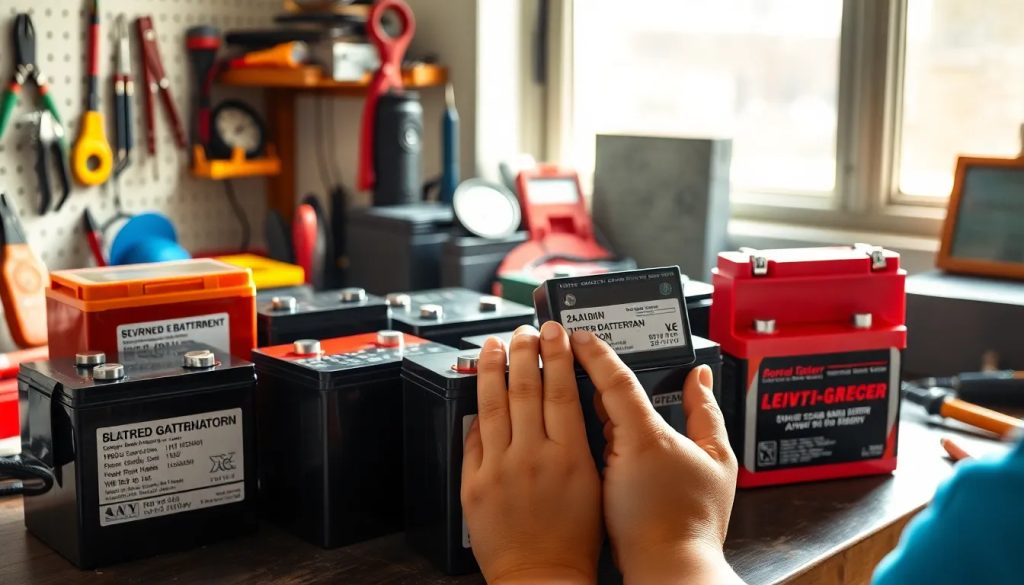
Understanding the basics of 6v batteries is essential for anyone looking to use these power sources effectively. These batteries come in various types and sizes, catering to a range of applications. Whether you're powering a toy or ensuring your recreational vehicle is road-ready, knowing about 6v batteries can make all the difference.
From their versatile uses to the benefits they offer, 6v batteries are more than just power sources—they are the unsung heroes in the world of portable power solutions. In this comprehensive guide, we'll explore the types, uses, advantages, and maintenance of these batteries, ensuring you have the knowledge to choose and care for them properly.
- What Is A 6V Battery?
- What Are The Types Of 6V Batteries?
- What Are Common Uses Of 6V Batteries?
- What Are The Advantages Of Using 6V Batteries?
- How Do 6V Batteries Compare To Other Battery Voltages?
- How To Choose The Right 6V Battery?
- What Maintenance Tips Should You Follow For 6V Batteries?
- FAQs About 6V Batteries
What Is A 6V Battery?
A 6v battery, short for a six-volt battery, is a standard size of battery that delivers electrical power at 6 volts. This type of battery is commonly used in a variety of applications, providing the right balance of power and size for many small to medium-sized devices and systems.
Different technologies can be used to create 6v batteries, including lead-acid, lithium-ion, and absorbent glass mat (AGM) technology. Each type has its own unique characteristics and maintenance requirements, which are vital to understand for optimal use.
When you're considering a rechargeable 6v battery option, it's crucial to understand the chemistry behind it. This will influence the battery's capacity, lifespan, recharge time, and overall efficiency.
The use of 6v batteries in backup power systems and other critical applications makes it all the more important to know exactly how they function and what you can expect in terms of performance.
What Are The Types Of 6V Batteries?
There are several types of 6v batteries, each designed for specific applications and benefits. Some of the most common include:
- Lead-acid batteries: Known for their reliability and cost-effectiveness, these are often used in vehicles and backup power systems.
- Lithium-ion batteries: These offer a high energy density and are lighter in weight, making them perfect for portable electronic devices.
- AGM batteries: They are maintenance-free and can handle a wide range of temperatures, which is ideal for outdoor or harsh environments.
The choice between these types will depend on your specific needs, whether it be for durability, efficiency, or environmental factors. For example, durable 6v batteries for marine use will likely be different from those used in a child's toy.
What Are Common Uses Of 6V Batteries?
6v batteries are used in a plethora of devices and systems. Some of the most common uses of 6v batteries include:
- Recreational vehicles (RVs): They often require robust and long-lasting batteries to power on-board appliances and systems.
- Marine applications: Similar to RVs, boats and other marine vehicles need reliable batteries that can withstand moisture and temperature changes.
- Emergency lighting: 6v batteries provide backup power to ensure safety in case of power outages.
- Portable electronics: Some larger portable devices require more power than standard AA or AAA batteries can provide.
- Toys: A vast array of children's toys are powered by 6v batteries, from remote-controlled cars to educational gadgets.
Whether it's for 6v batteries for toys or critical backup systems, understanding the right use-case is crucial.
What Are The Advantages Of Using 6V Batteries?
Choosing a 6v battery comes with several advantages. These benefits include:
- Longevity: Many 6v batteries, especially deep-cycle types, are designed to last through numerous charge and discharge cycles.
- Reliability: They provide a consistent power source, which is crucial for applications where power interruptions are not an option.
- Versatility: With various types available, 6v batteries can be tailored to fit the needs of almost any application.
For instance, the best 6v batteries for RVs will offer a combination of longevity and reliability to accommodate long trips without constant maintenance.
How Do 6V Batteries Compare To Other Battery Voltages?
When comparing 6v batteries to other battery voltages, it's important to consider the intended use and the operational requirements. Here's how they stack up:
Compared to 12v batteries, 6v batteries often have thicker plates, which can mean a longer lifespan and more deep-cycle capabilities. They're also typically smaller and lighter than their higher-voltage counterparts, making them easier to handle and install in tight spaces.
However, for applications requiring more power, such as large off-grid solar energy systems, you might find that 12v or even 24v batteries are more suitable due to their ability to store and deliver greater amounts of energy.
Understanding the power requirements of your application will help determine whether a 6v battery is the right choice or if a different voltage would be more appropriate.
How To Choose The Right 6V Battery?
Choosing the right 6v battery requires consideration of several factors:
First, assess the energy demands of your application. For high-drain devices, you'll need a battery with a higher capacity. Next, consider the battery's size and weight, especially if it's for a portable application. Also, think about the environmental conditions the battery will face, such as temperature extremes or potential exposure to water.
Lastly, take into account the battery's chemistry and whether you need a rechargeable option. Rechargeable 6v battery options may have a higher upfront cost, but they can be more economical over time.
By carefully considering these factors, you'll be able to select a 6v battery that suits your needs both in performance and longevity.
What Maintenance Tips Should You Follow For 6V Batteries?
Proper maintenance is key to maximizing the lifespan and efficiency of your 6v battery. Here are some essential tips:
- Regularly check the battery terminals for corrosion and clean them as necessary.
- Ensure the battery is kept at the correct charge level; avoid overcharging or deep discharging.
- Store the battery in a cool, dry place when not in use to prevent premature aging.
- For lead-acid batteries, maintain the proper water level by adding distilled water when needed.
Following these battery maintenance tips will help you get the most out of your 6v battery, whether it's for regular use or emergency backup.
FAQs About 6V Batteries
Now, let's address some frequently asked questions about 6v batteries:
What Are 6V Batteries Used For? They're used in a variety of settings, from RVs and marine vehicles to toys and emergency lighting systems.
Are 6V Batteries Rechargeable? Yes, there are rechargeable options available, including lead-acid, lithium-ion, and AGM batteries.
How Long Do 6V Batteries Last? The lifespan varies depending on the type and usage, but some can last for several years with proper maintenance.
Now that we've delved into the world of 6v batteries, we hope you have a better understanding of their types, uses, and care. Remember, choosing and maintaining the right battery can make all the difference in your devices' performance and longevity.
Recommended: