
14500 Batteries
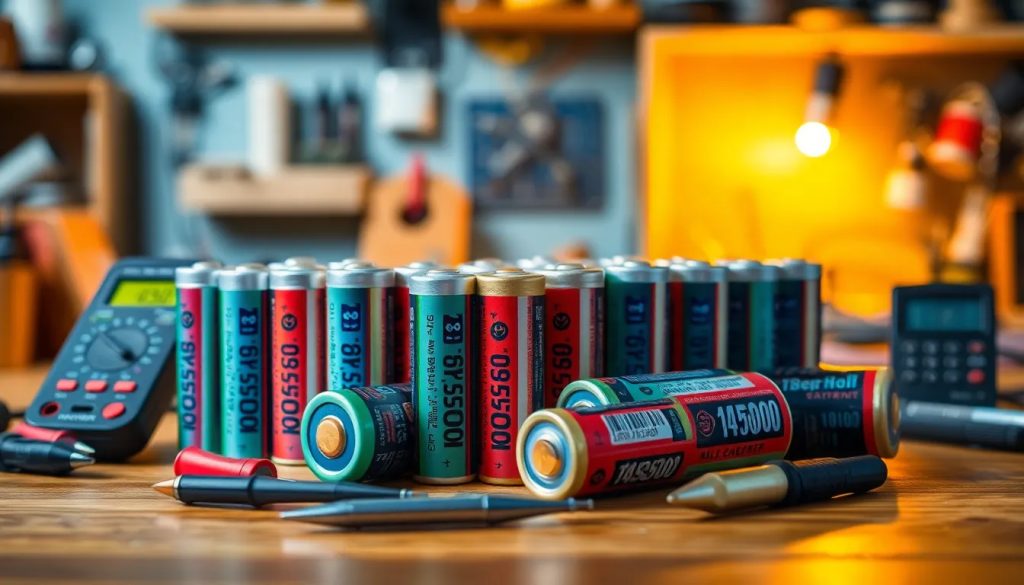
The 14500 lithium battery has become an increasingly popular power source in recent years, thanks to its compact size and high energy output. This cylindrical battery, resembling the size of a AA battery, offers a plethora of benefits for a wide range of electronic devices.
Often chosen for its efficiency and reliability, 14500 batteries are ideal for users seeking a long-lasting, high-performance power source. Their advanced lithium-ion chemistry ensures that they are not only powerful but also rechargeable, making them both convenient and cost-effective.
What is a 14500 lithium battery?
The 14500 lithium battery is a type of rechargeable battery that is known for its high energy density and voltage output. It has a standard size that is similar in appearance to the common AA battery but is slightly larger to accommodate the lithium-ion chemistry. The '14500' designation refers to the battery's dimensions: approximately 14mm in diameter and 50mm in length.
These batteries are designed to provide about 3.7 volts, which is significantly higher than the 1.5 volts offered by traditional AA batteries. With capacities usually ranging from 600mAh to 1200mAh, they can store a considerable amount of energy in a small package. This makes them an ideal choice for devices that require more power without increasing the size or weight of the battery compartment.
Lithium-ion technology allows these batteries to be recharged hundreds of times, providing a long lifespan. They also exhibit a low self-discharge rate, which means they can retain their charge for extended periods when not in use. However, it is crucial to follow proper charging and storage practices to maintain safety and extend the battery's life.
Key features of 14500 lithium batteries
One of the most significant features of the 14500 lithium battery is its energy density. This refers to the amount of energy that can be stored in a given volume, and for 14500 batteries, this is higher than many other types of batteries. This high energy density is what allows these batteries to provide sustained power to devices that require consistent, efficient operation.
In addition to energy density, 14500 batteries also offer built-in safety mechanisms. These include protections against overcharge, over-discharge, short-circuiting, and extreme temperatures. Such safety features are essential for preventing accidents and ensuring the safe operation of the battery.
Moreover, the rechargeable nature of 14500 lithium batteries is another key feature. They can go through numerous charge cycles without significant degradation in performance. This not only makes them an environmentally friendly option but also cost-effective in the long run.
Comparing 14500 batteries with other batteries
When compared to AA batteries, 14500 batteries offer several advantages. Although similar in size, the 14500 batteries provide a higher voltage, which can make devices operate more efficiently. For example, a flashlight powered by a 14500 battery will often be much brighter than one powered by a AA battery.
However, it's important to note that not all devices can handle the increased voltage of 14500 batteries. Some may only be compatible with the standard 1.5V AA batteries, which means using a 14500 battery could potentially damage the device.
Compared to other rechargeable batteries, 14500 batteries are often praised for their longevity and consistent power output. They tend to have a higher upfront cost but save money over time due to their rechargeability and durability.
Practical applications and compatibility
High-drain devices, such as powerful flashlights, portable fans, and electronic gadgets, are among the most common applications for 14500 batteries. These batteries are capable of sustaining high current discharges necessary for devices that require bursts of power.
Compatibility is a crucial consideration when using 14500 batteries. Many devices are specifically designed to accommodate the higher voltage of lithium-ion batteries. However, it's essential to check the manufacturer's specifications to ensure that the device can safely operate with a 14500 battery.
For users looking to power devices traditionally relying on AA batteries, there are now more gadgets being designed to take advantage of the increased efficiency of 14500 batteries. This trend is spurred by the need for longer battery life and more robust power in compact devices.
Best 14500 batteries for your needs
Choosing the best 14500 battery for your needs depends on several factors, including the device's power requirements, expected battery life, and whether the device is designed for high-drain applications. It's essential to select a battery with the proper capacity, measured in milliampere-hours (mAh), to ensure that it can handle the device's energy demands.
For devices with high energy consumption, it's crucial to opt for batteries with higher capacity and discharge rates. Conversely, for devices with lower power requirements, a battery with a moderate capacity may be more appropriate, balancing performance with longevity.
It's also worth noting that some devices may require batteries with specific chemistry, such as lithium iron phosphate (LiFePO4), to ensure optimal performance and safety. Therefore, understanding your device's compatibility is key to selecting the best 14500 battery.
Frequently asked questions about 14500 batteries
- Can I use a 14500 battery in any device that accepts AA batteries? Not necessarily. Devices designed for AA batteries may not be able to handle the higher voltage of 14500 batteries.
- Are 14500 batteries rechargeable? Yes, 14500 batteries are rechargeable, offering several hundred charge cycles.
- How long do 14500 batteries last? The lifespan of a 14500 battery depends on its capacity, discharge rate, and how often it is used and recharged.
How to safely charge and store 14500 batteries?
Safe charging and storage are vital for the longevity and performance of 14500 batteries. Always use a charger designed for lithium-ion batteries, and follow the manufacturer's guidelines for charging times and rates. Overcharging can lead to reduced battery life or potential hazards.
For storage, keep 14500 batteries in a cool and dry environment. Avoid exposing them to high temperatures or direct sunlight, which can degrade their performance. Storing batteries at a partial charge, typically around 3.7V, can also help maintain their health.
It's also good practice to store batteries in a case or container that prevents them from coming into contact with metal objects, which could cause a short circuit. Regularly inspecting the batteries for any signs of damage or wear is essential before each use.
By understanding the features, benefits, and proper maintenance of 14500 batteries, users can enjoy the advantages of these powerful, compact power sources while ensuring their safe and efficient operation.
Recommended: